
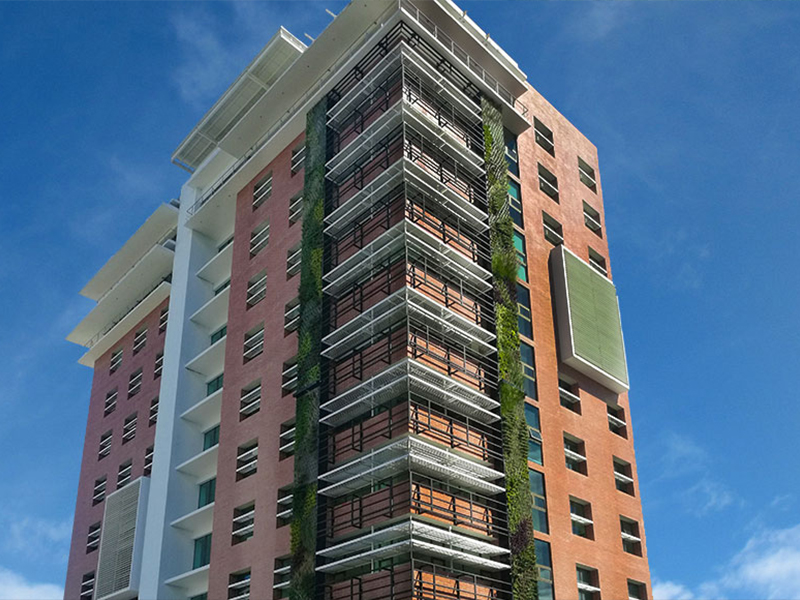
Living walls, also known as vertical gardens, are increasingly being integrated into contemporary design for their environmental benefits and aesthetic appeal. These innovative green installations are not only a stunning addition to any space but also offer practical solutions to urban challenges like air quality improvement and space utilization. As urban areas continue to expand, the necessity for sustainable solutions becomes more urgent, making living walls a viable and attractive option for both residential and commercial properties.
Understanding Living Walls
Living walls are composed of various plant species that are grown on a vertical structure, which can be freestanding or attached to a wall. These systems are self-sufficient and incorporate an integrated watering system. They can be constructed using a variety of materials such as panels, trays, and pockets that hold the plants in place and support their growth.
Types of Living Walls
- Modular Panels: These consist of pre-planted panels that are affixed to a wall. They are easy to install and maintain, making them a popular choice for both indoor and outdoor spaces.
- Pocket Systems: This method involves planting directly into pockets made from felt or other materials. It is suitable for lighter plants and can be easily customized.
- Tray Systems: These are ideal for larger installations and involve planting in trays that are stacked vertically. They provide a more robust structure for larger plants.
To delve deeper into the different types of living wall systems, read more about this topic.
Benefits of Living Walls
Incorporating living walls into urban environments offers numerous benefits:
- Improved Air Quality: Plants naturally filter pollutants and carbon dioxide, improving the air quality in and around the installation area.
- Thermal Regulation: Living walls provide natural insulation, reducing energy costs by keeping interiors cooler in summer and warmer in winter.
- Noise Reduction: The dense plant coverage can absorb sound, making living walls an effective sound barrier.
- Increased Biodiversity: They create habitats for various species, promoting local biodiversity and contributing to ecological balance.
For a comprehensive overview of the benefits, explore further insights here.
Design Considerations
Designing a living wall involves several considerations to ensure the installation is both aesthetically pleasing and functional:
- Plant Selection: Choosing the right plants is crucial. Considerations include climate adaptability, light exposure, and maintenance requirements.
- Structural Support: The wall must be able to support the weight of the plants and irrigation system. This requires careful engineering and design.
- Irrigation and Drainage: Effective water management is essential to maintain plant health. Automated systems can simplify this aspect.
Find additional information here on how to effectively design and implement living wall systems.
Maintenance and Care
Maintaining a living wall involves regular monitoring and care to ensure plant health and longevity:
- Regular Pruning: Keeps the plants healthy and the wall looking neat.
- Pest Control: Regular checks for pests and diseases can prevent infestations and damage.
- Irrigation Management: Ensuring the irrigation system is functioning correctly is vital for plant health.
To learn more about maintaining living walls, learn more in this detailed guide.
As urban areas continue to grow, integrating sustainable solutions like living walls can significantly enhance the quality of life. They offer aesthetic, environmental, and economic benefits, making them a valuable addition to any building project.