
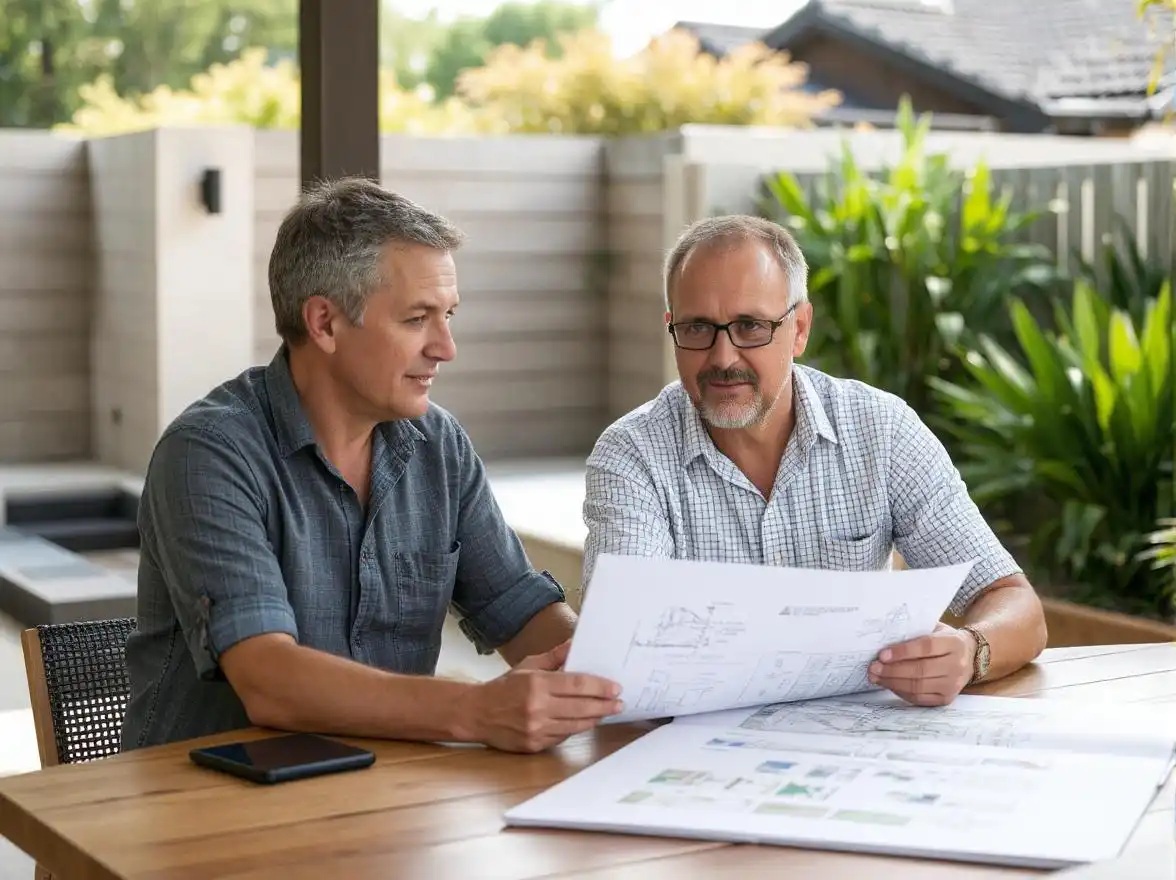
Creating a custom landscape design is an art that combines creativity, functionality, and a deep understanding of the natural environment. Whether you’re looking to enhance your outdoor living space, increase curb appeal, or create a personal sanctuary, the process of designing a landscape tailored to your style and needs is both exciting and rewarding. A custom landscape design not only adds beauty to your surroundings but also increases the value of your property. The key is to integrate elements that reflect your personal taste while considering the practical aspects of landscape design.
Understanding Your Landscape Needs
Before diving into the design process, it’s essential to understand what you want to achieve with your landscape. Consider the following aspects:
- Purpose: Determine whether you want a space for relaxation, entertainment, gardening, or a combination of these activities.
- Style: Decide on a theme or aesthetic, such as modern, traditional, rustic, or tropical.
- Budget: Establish a realistic budget to guide your design decisions and material selections.
- Climate: Consider the local climate conditions to select plants and materials that will thrive in your area.
Design Elements to Consider
Hardscaping
Hardscaping involves the use of non-plant elements such as stones, fences, and paving materials. It is essential to choose materials that complement your home’s architecture and landscape style. Consider these hardscaping features:
- Patios and Decks: Provide outdoor seating and entertainment areas.
- Pathways: Create functional and aesthetic connections between different areas of the garden.
- Walls and Fences: Define spaces and add privacy.
Explore further insights here about incorporating hardscaping elements.
Softscaping
Softscaping refers to the use of plants and other organic materials in landscape design. When selecting plants, consider the following:
- Color and Texture: Choose a variety of colors and textures to create visual interest.
- Maintenance: Opt for plants that suit your maintenance preferences, whether low-maintenance or more involved gardening.
- Seasonal Interest: Incorporate plants that offer beauty in different seasons for year-round appeal.
Find additional information here on selecting the right plants for your landscape.
Incorporating Water Features
Water features can add a tranquil element to any landscape design. Consider options such as:
- Ponds: Create a focal point and support local wildlife.
- Fountains: Add movement and sound, enhancing the sensory experience of your garden.
- Waterfalls: Provide a natural look and soothing ambiance.
Read more about this topic here.
Lighting and Outdoor Decor
Outdoor lighting can extend the usability of your landscape into the evening hours and highlight specific features. Consider:
- Path Lighting: Safely illuminate walkways and steps.
- Accent Lighting: Highlight architectural elements and plants.
- String Lights: Add a festive and cozy atmosphere to outdoor spaces.
Learn more in this detailed guide here about outdoor lighting options.
Consulting with a Professional
While it is possible to design a landscape independently, consulting with a professional can provide valuable insights and expertise. A professional understands local regulations, has extensive knowledge of plant species, and can offer creative solutions to design challenges. Explore further insights here about professional landscape design services.
By carefully planning and integrating various elements, a custom landscape design can transform your outdoor space into a functional and aesthetically pleasing environment that reflects your style and meets your needs. Whether you choose to tackle the project yourself or seek professional guidance, the result will be a beautiful and personalized outdoor retreat.