
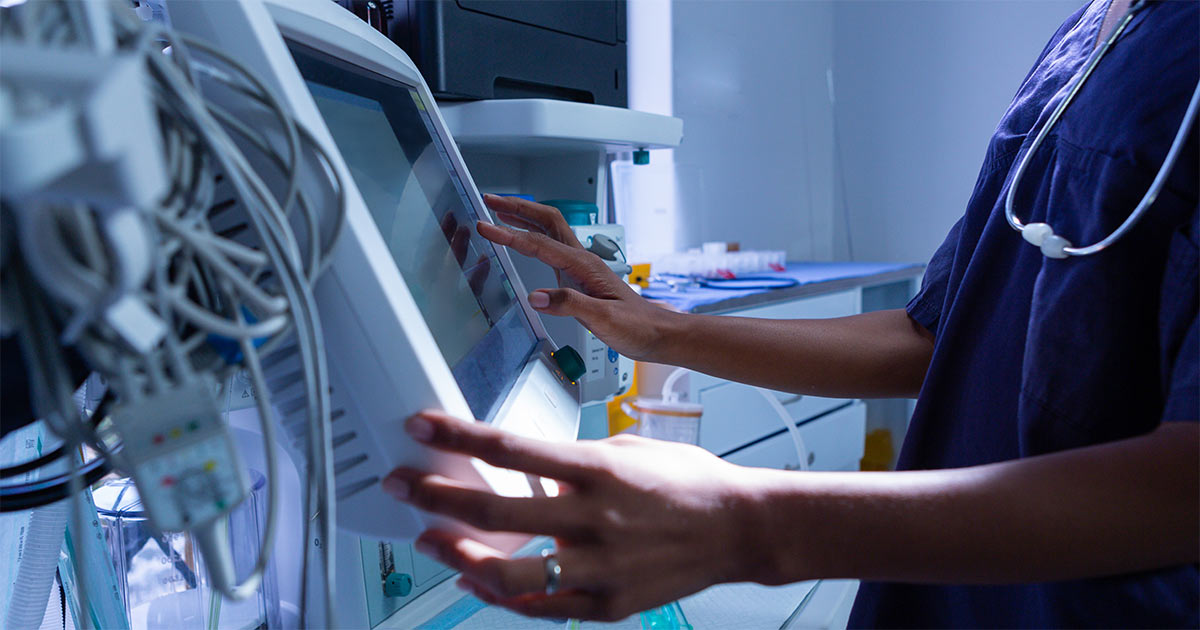
In the fast-paced world of healthcare, staying ahead means leveraging the latest advancements in medical technology. The adoption of cutting-edge medical equipment is essential for healthcare providers aiming to offer the highest standard of care. As the industry evolves, leading medical equipment companies play a crucial role in ensuring healthcare facilities have access to the most innovative and effective tools available. This article explores the importance of these advancements and how they benefit healthcare professionals and patients alike.
The Importance of Cutting-Edge Medical Equipment
Medical equipment is at the heart of patient care, facilitating accurate diagnosis, efficient treatment, and improved patient outcomes. With rapid technological advancements, healthcare facilities must adapt to new equipment to maintain their competitive edge. Here are some key reasons why cutting-edge medical equipment is vital:
- Enhanced Accuracy: Modern equipment offers higher precision, reducing the risk of diagnostic errors and improving patient safety.
- Improved Efficiency: Advanced tools streamline workflows, allowing healthcare professionals to focus more time on patient care.
- Better Patient Outcomes: Access to state-of-the-art technology leads to quicker diagnosis and treatment, improving recovery times and patient satisfaction.
- Reduced Costs: Although the initial investment may be high, advanced equipment often leads to long-term cost savings through decreased hospital stays and fewer complications.
Leading Companies in Medical Equipment Innovation
The role of a medical products supply company in the healthcare industry is pivotal. These companies drive innovation, ensuring that healthcare providers have the tools they need to deliver exceptional care. Some notable companies leading the way in medical equipment innovation include:
- Company A: Known for their pioneering work in imaging technology, Company A’s products enhance diagnostic capabilities across various medical fields.
- Company B: Specializing in surgical instruments, Company B has revolutionized minimally invasive procedures, reducing recovery times for patients.
- Company C: With a focus on patient monitoring systems, Company C provides real-time data analytics, improving patient management in intensive care units.
Integrating Advanced Equipment in Healthcare Settings
Integrating new medical equipment into healthcare settings requires careful planning and execution. Here are some steps to ensure a smooth transition:
Training and Education
Healthcare professionals must be adequately trained to use new equipment effectively. Comprehensive training programs should be implemented to ensure staff is confident and competent in operating new technologies.
Infrastructure and Compatibility
Before introducing new equipment, healthcare facilities must assess their current infrastructure to ensure compatibility and support. Upgrading existing systems may be necessary to accommodate new technology.
Collaboration with Suppliers
Working closely with suppliers can aid in understanding the full capabilities of new equipment. Suppliers can provide valuable insights and support during the integration process, ensuring that the equipment is used to its full potential.
The Future of Medical Equipment
As technology continues to advance, the future of medical equipment looks promising. Emerging trends such as artificial intelligence, robotics, and telemedicine are set to revolutionize healthcare delivery. By embracing these advancements, healthcare providers can enhance their service offerings and stay ahead in a competitive industry.
In conclusion, staying at the forefront of medical technology is crucial for healthcare providers committed to delivering the best possible care. By partnering with leading medical equipment companies, facilities can ensure they are equipped with the latest tools to meet the demands of modern healthcare. As the industry continues to evolve, the integration of cutting-edge equipment will remain a key factor in achieving optimal patient outcomes and operational efficiency.