
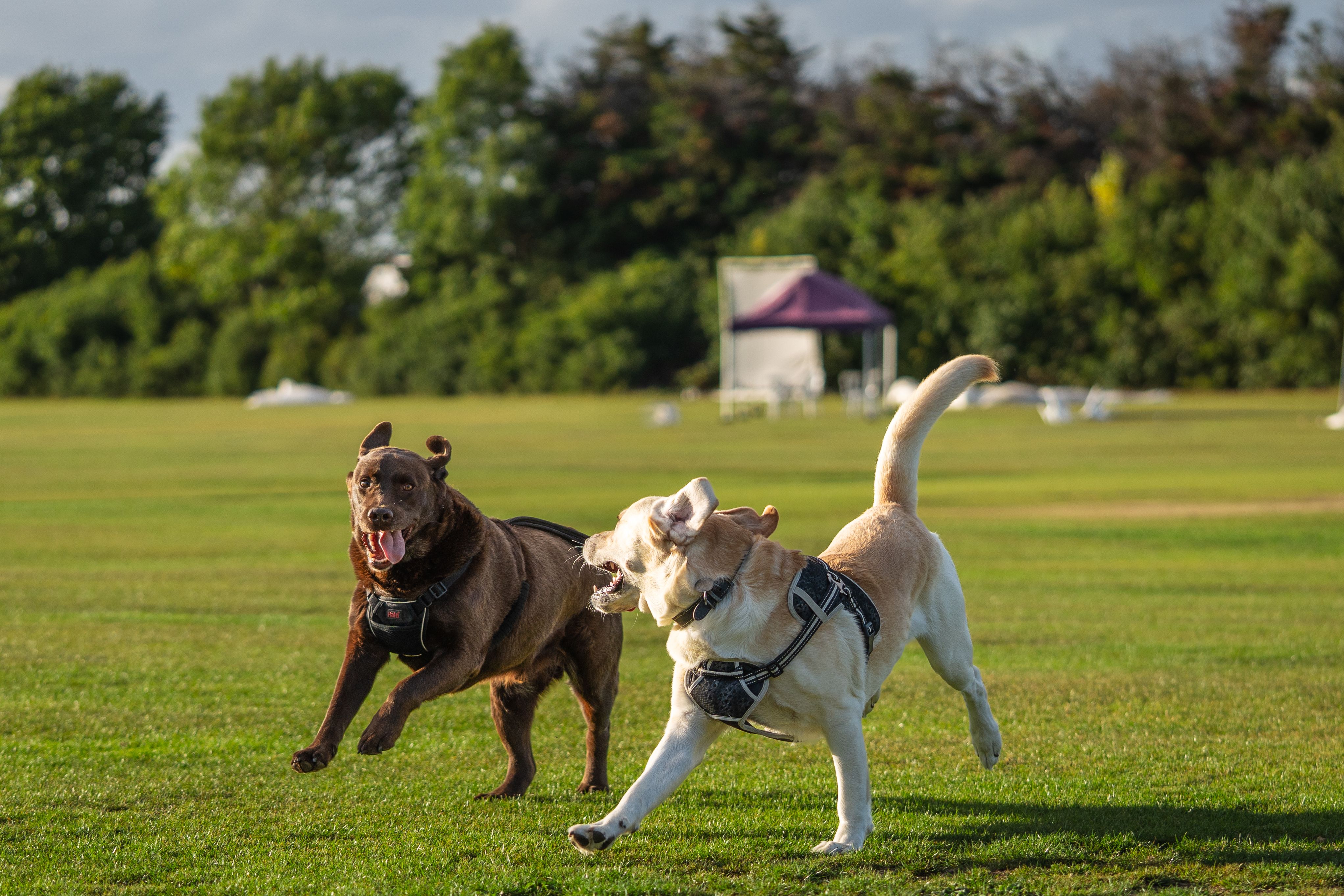
Dog play groups provide a structured environment where canine companions can interact, exercise, and develop essential social skills. By gathering in a supervised setting, dogs benefit from physical activity, mental stimulation, and the opportunity to practice appropriate behavior with peers. For owners, these sessions offer insight into their pet’s temperament, help identify potential triggers, and create a community of like-minded caretakers who share a commitment to responsible dog ownership.
Key Benefits of Participating in Dog Play Groups
Regular attendance at a well-managed play group yields measurable advantages for both dogs and their handlers. These advantages extend beyond simple fun and can positively influence long-term health and behavior.
- Physical fitness: Continuous movement improves cardiovascular health, muscle tone, and joint flexibility.
- Social competence: Interaction with diverse dogs teaches reading body language, respecting boundaries, and appropriate play signals.
- Stress reduction: Controlled play releases endorphins, lowering anxiety levels for dogs that may otherwise become bored or frustrated.
- Owner education: Observing group dynamics helps owners recognize early signs of aggression or fear, enabling timely intervention.
For a deeper dive into why these groups matter, Read more about this topic.
Socialization: Building Confidence and Reducing Fear
Socialization is a cornerstone of a well-adjusted canine. Exposure to a variety of dogs, ages, and sizes under controlled conditions allows puppies and adult dogs alike to develop confidence.
How Play Groups Facilitate Social Learning
- Dogs observe and mimic appropriate play etiquette from more experienced members.
- Positive reinforcement from handlers reinforces calm, friendly interactions.
- Structured breaks and rotation of partners prevent overstimulation.
Owners seeking practical guidelines on fostering confidence can Learn more in this detailed guide.
Safety Protocols for a Successful Session
Safety is paramount to ensure that each gathering remains enjoyable and injury-free. Establishing clear rules and adhering to them consistently creates a trustworthy environment.
- Vaccination verification: All participants should be up-to-date on core vaccinations and parasite control.
- Pre-play health checks: Quick visual inspections for wounds, ticks, or signs of illness.
- Supervised introductions: Initial meet-and-greets on neutral ground reduce territorial aggression.
- Clear exit strategy: Designated calm-down areas for dogs that become overwhelmed.
For additional safety recommendations, Explore further insights here.
Selecting the Right Play Group for Your Dog
Not every group suits every dog. Matching a dog’s age, size, energy level, and temperament with the appropriate group maximizes benefits and minimizes conflict.
- Age-specific groups: Puppies (8-16 weeks) often thrive in puppy-only sessions, while senior dogs may prefer low-energy gatherings.
- Size considerations: Large-breed groups reduce the risk of smaller dogs being unintentionally knocked over.
- Energy alignment: High-energy breeds such as retrievers or terriers benefit from fast-paced play, whereas calmer breeds may need a more relaxed setting.
- Behavioral assessment: Dogs with known aggression should first undergo a behavior evaluation before joining a mixed group.
Guidelines for assessing fit can be found by Find additional information here.
Practical Tips for Maximizing Play Group Experience
Even with the best environment, owners can take proactive steps to ensure each session is productive.
- Bring fresh water and a portable bowl to keep dogs hydrated.
- Carry waste bags and clean up promptly to maintain hygiene.
- Observe your dog’s body language; intervene early if signs of stress appear.
- Rotate play partners regularly to expose dogs to varied social cues.
- End sessions on a positive note with a short cool-down walk or gentle stretch.
For a concise checklist of do-and-don’ts, Read more about this topic.
Conclusion
Dog play groups serve as a dynamic platform for physical exercise, behavioral enrichment, and community building. By adhering to safety standards, selecting groups that align with a dog’s individual needs, and applying thoughtful owner practices, the experience becomes mutually rewarding. Engaging regularly in these structured play sessions not only supports a dog’s overall well-being but also empowers owners with the knowledge to nurture a balanced, confident companion.