
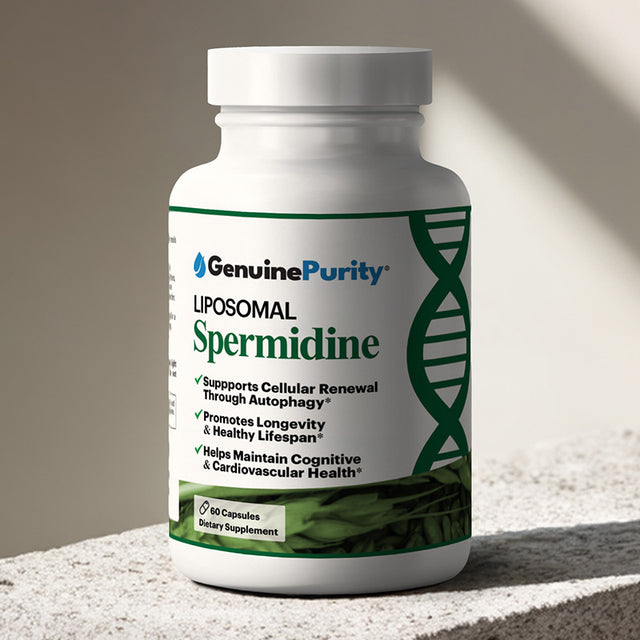
Spermidine has emerged as a promising nutraceutical for supporting cellular health, longevity, and overall vitality. With a growing number of formulations on the market, choosing the right product, whether labeled as capsules or pills, can feel overwhelming. This guide consolidates the most important factors to consider when purchasing spermidine supplements, explains the differences between capsule and pill formats, and offers practical tips for evaluating quality, dosage, and value. By the end of this article, readers will have a clear roadmap for selecting a reliable spermidine product that aligns with their health goals.
Understanding Spermidine: How It Works
Spermidine is a naturally occurring polyamine found in every living cell. It plays a key role in:
- Autophagy – the cellular “recycling” process that removes damaged components.
- DNA stabilization and repair.
- Regulation of inflammation and oxidative stress.
- Support of cardiovascular health and metabolic function.
Research suggests that regular spermidine intake may promote healthy aging and improve lifespan markers. For those seeking a scientifically backed supplement, it is essential to verify that the product contains a standardized amount of pure spermidine, free from unnecessary fillers.
Capsules vs. Pills: What’s the Difference?
Physical Form and Absorption
Both capsules and pills deliver the same active ingredient, but their delivery mechanisms differ:
- Capsules are typically made of gelatin or plant-based material that dissolves quickly in the stomach, potentially allowing faster absorption.
- Pills (tablets) are compressed powders that may include binders and disintegrants. They often have a slower release profile, which can be advantageous for sustained delivery.
Convenience and Preference
- Capsules are easier to swallow for many people and are less likely to cause a chalky aftertaste.
- Pills can be split or crushed (if the manufacturer permits), offering dosage flexibility.
Key Criteria for Selecting a High-Quality Spermidine Supplement
- Purity and Standardization – Look for products that disclose the exact spermidine content per serving (e.g., 10″?mg per capsule).
- Third-Party Testing – Independent lab verification ensures the absence of heavy metals, pesticides, and other contaminants.
- Source of Spermidine – Natural extraction from wheat germ, soy, or rice bran is preferred over synthetic production.
- Manufacturing Practices – GMP-certified facilities guarantee consistent quality and safety.
- Transparent Labeling – Full ingredient list, dosage instructions, and expiration date should be clearly printed.
How to Evaluate Dosage and Regimen
Effective dosing varies based on age, health status, and specific goals. General recommendations found in clinical studies range from 5″?mg to 15″?mg of spermidine per day. When assessing a product:
- Check the amount of spermidine per capsule or pill.
- Determine how many units are needed to reach the target daily dose.
- Consider whether the product includes synergistic ingredients (e.g., resveratrol, vitamin”?E) that may enhance efficacy.
For a deeper dive into dosage strategies, Discover expert strategies here.
Price, Value, and Purchasing Considerations
While price alone does not guarantee quality, it can be an indicator of formulation standards. Compare the following factors:
- Cost per mg of Spermidine – Divide the total price by the total milligrams of active ingredient.
- Supply Size – Larger bottles often provide a better price per dose, but verify shelf life.
- Shipping and Return Policies – Reliable vendors offer clear policies and responsive customer support.
To explore a product that balances cost and potency, Learn about our tailored solutions.
Safety and Potential Interactions
Spermidine is generally well tolerated, but certain considerations are advisable:
- Pregnant or nursing individuals should consult a healthcare professional before use.
- People on anticoagulant therapy should discuss possible interactions.
- Allergic reactions are rare but can occur if the capsule shell contains gelatin or soy.
For comprehensive safety information, Explore advanced guides and tips.
Customer Experience and Reviews
Reading verified consumer feedback can reveal real-world performance aspects such as taste, ease of swallowing, and any gastrointestinal effects. Look for reviews that mention:
- Consistency of the product’s potency over time.
- Transparency of the brand regarding sourcing and testing.
- Responsive customer service when questions arise.
When a brand consistently receives positive feedback, it often reflects a commitment to quality. For a curated collection of user experiences, Find out more about this approach.
Final Checklist Before Purchase
- Verified spermidine content (mg per serving).
- Third-party lab results available on the product page.
- GMP-certified manufacturing facility.
- Clear dosage instructions and flexible serving sizes.
- Reasonable cost per milligram and transparent shipping policies.
Conclusion
Selecting the right spermidine supplement, whether in capsule or pill form, requires careful assessment of purity, dosage, manufacturing standards, and overall value. By focusing on these key criteria and leveraging reputable sources, consumers can confidently invest in a product that supports cellular health and longevity. For a product that meets these standards and offers detailed documentation, consider reviewing the options available at the dedicated product page and make an informed decision that aligns with personal wellness objectives.