
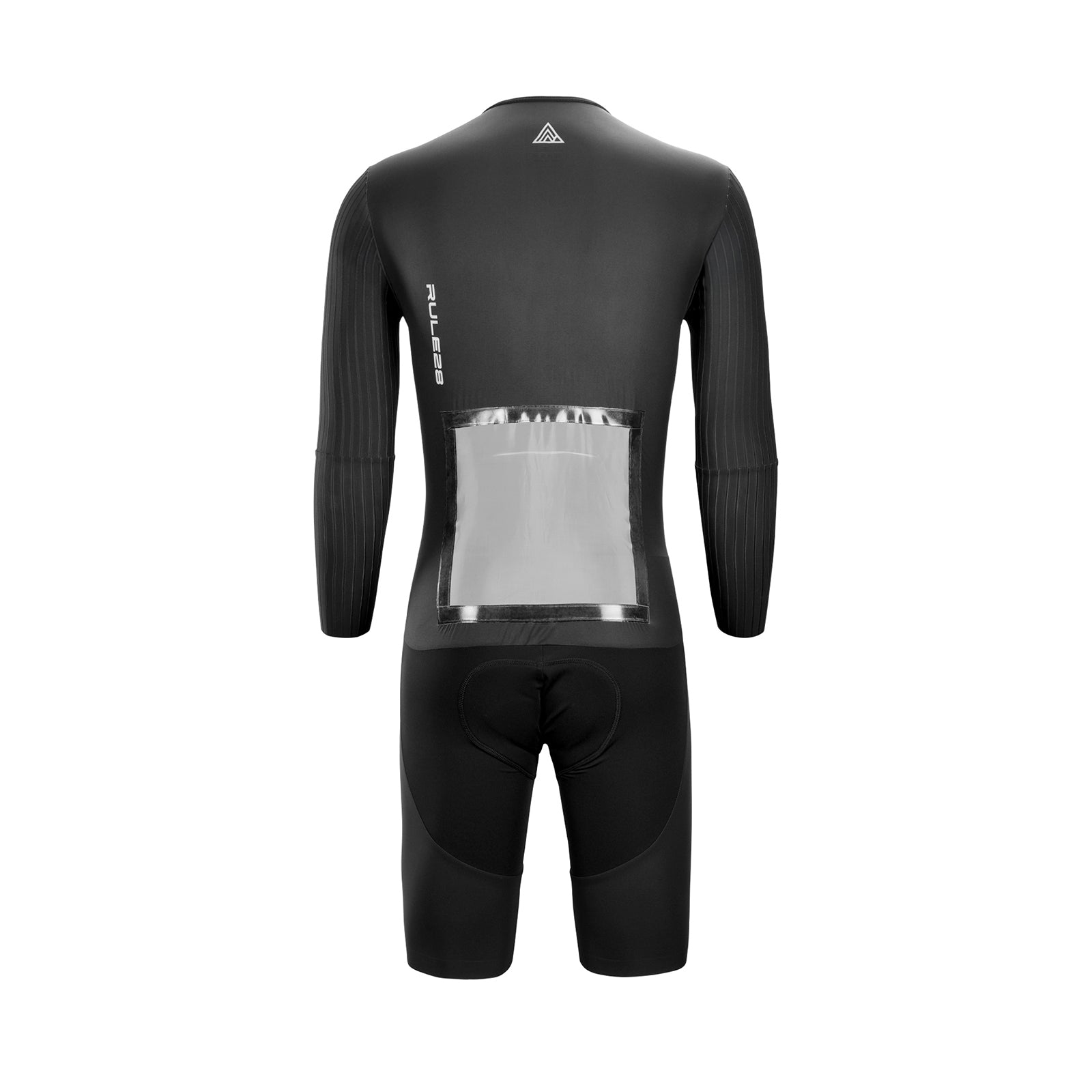
Time trial (TT) cycling is a discipline where every fraction of a second counts. The aerodynamic kit, comprising a skin-tight suit, aero helmet, shoe covers, and carefully selected accessories, acts as the cyclist’s second skin, smoothing airflow and reducing drag. When paired with a disciplined training regimen and precise bike fit, these components can translate directly into faster race times, higher average speeds, and a measurable competitive edge. Below, the key benefits of a well-chosen aero kit are broken down, with practical guidance on how to integrate them into a road-racing strategy.
Understanding Aerodynamic Drag in Time Trials
Drag is the primary force opposing a cyclist’s forward motion at speeds typical of TT events (30-45 km/h). It grows exponentially with velocity, meaning that a small reduction in drag can produce a disproportionately large gain in speed. The aero kit addresses three main sources of drag:
- Form drag – caused by the shape of the rider and equipment.
- Skin friction – the resistance of air sliding over the surface of clothing and gear.
- Interference drag – turbulence created where different components meet (e.g., helmet-shoulder junction).
Core Components of an Effective Aero Kit
1. Aero Skin-Fit Suit
A high-quality TT suit is engineered from low-drag fabrics that cling tightly to the body, eliminating loose material that can flap in the wind. Modern suits also incorporate seamless construction and strategically placed panels that channel airflow over the hips and legs.
For cyclists seeking detailed specifications, Discover expert strategies here provides a curated selection of suits tested in wind-tunnel environments.
2. Aerodynamic Helmet
The helmet’s shape is the most influential factor after the rider’s position. An aero helmet reduces the frontal area and guides air smoothly over the back of the head. Look for:
- Integrated visors that eliminate separate eyewear drag.
- Ventilation designs that balance cooling with minimal turbulence.
- Carbon fiber shells for weight savings without compromising stiffness.
3. Shoe Covers and Overshoes
Even the smallest protrusions, such as shoes, can disrupt airflow. Overshoes made from smooth, low-drag materials seal the shoe-ankle gap, creating a continuous aerodynamic surface. When selecting overshoes, consider:
- Seamless construction for a sleek profile.
- Thermal properties for maintaining foot temperature in varying conditions.
- Compatibility with pedal cleats to avoid interference.
Additional guidance on selecting the right overshoes can be found at Learn about our tailored solutions.
4. Base Layers and Compression Gear
A well-fitted base layer reduces skin friction and can improve muscle efficiency through graduated compression. Lightweight fabrics that wick sweat while staying tight are ideal for maintaining aerodynamic shape throughout the effort.
Quantifiable Benefits of an Aero Kit
When the components above are combined, the cumulative drag reduction often ranges from 5-12% compared with standard road clothing. Translating this into race performance:
- Average speed increase: 1.5-3 km/h over a 40-km TT.
- Time savings: 30-60 seconds on a typical 30-minute effort.
- Energy efficiency: Lower heart-rate zones for the same power output, preserving glycogen stores for later race phases.
For a deeper dive into the data behind these numbers, Explore advanced guides and tips offers research-backed articles and case studies.
Integrating the Aero Kit into Your Training Plan
An aero kit is most effective when the rider’s position is already optimized. Follow these steps:
- Bike Fit First: Ensure the aerodynamic position does not compromise power output or comfort.
- Progressive Testing: Conduct time-trial simulations with and without the kit to quantify personal gains.
- Course-Specific Tweaks: Adjust helmet vents or suit panels based on wind direction and course profile.
- Maintenance Routine: Clean and store aerodynamic fabrics properly to preserve their low-drag properties.
Choosing the Right Kit for Your Goals
Not every rider needs the most extreme kit on the market. Consider the following criteria when selecting:
- Budget: High-end suits and helmets deliver marginal gains at a premium price.
- Race Length: Longer TT events benefit more from thermal regulation features.
- Personal Comfort: Tightness should not impede breathing or cause chafing.
- Regulatory Compliance: Ensure all components meet UCI specifications for official events.
A comprehensive product overview that matches these variables can be accessed by Find out more about this approach.
Conclusion
Investing in a purpose-built aero kit is a strategic move for any cyclist aiming to shave seconds off a time trial. By addressing form drag, skin friction, and interference drag, the kit creates a more efficient aerodynamic envelope that translates directly into higher speeds and better energy management. Coupled with a disciplined training regimen and an optimized bike fit, the benefits become measurable on the road. For cyclists ready to elevate their performance, exploring the curated selection of time-trial upgrades at the dedicated collection page offers a clear pathway to faster, more confident racing.