
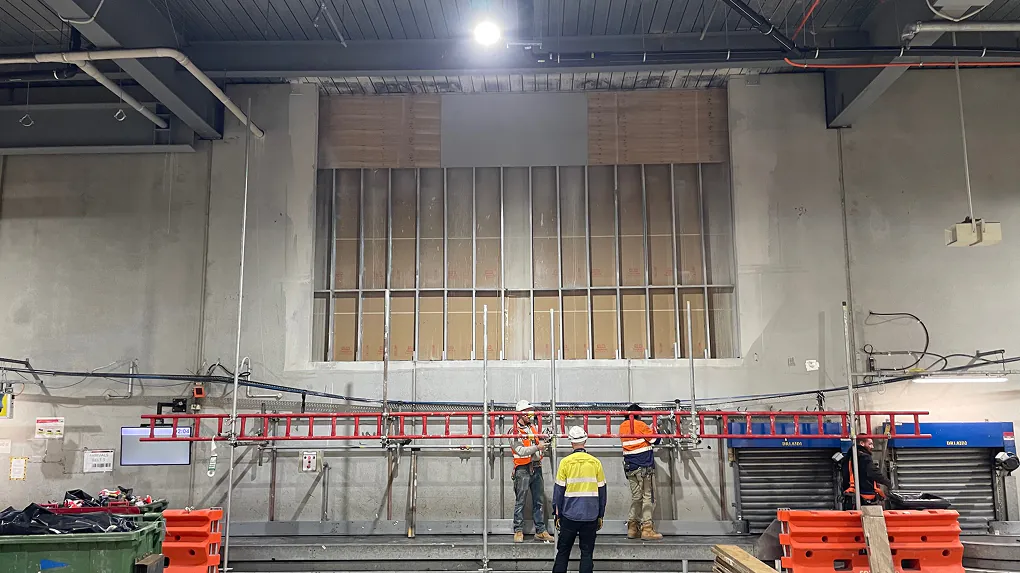
Ensuring a clean and safe environment is crucial in today’s industrial and urban development landscape. Site remediation services play a vital role in managing and mitigating the risks associated with contaminated sites. These services are essential to restore contaminated land to a state where it can be safely used for residential, commercial, or industrial purposes. This article delves into the various aspects of site remediation services and their importance in promoting environmental sustainability.
Understanding Site Remediation
Site remediation involves the removal, treatment, or containment of hazardous substances from contaminated land. The process is designed to protect human health and the environment by eliminating or reducing contaminants to acceptable levels. This comprehensive approach ensures that sites are safe for future use.
Key Components of Site Remediation
- Site Assessment: The first step involves a thorough site assessment to identify the type and extent of contamination.
- Risk Evaluation: Evaluating the risks posed by the contaminants to human health and the environment.
- Remediation Planning: Developing a strategic plan that outlines the remediation goals and methods.
- Implementation: Executing the remediation plan using appropriate technologies and methodologies.
- Monitoring and Maintenance: Ongoing monitoring to ensure the effectiveness of the remediation and maintenance as needed.
For in-depth insights into each of these components, read more about this topic.
Methods of Site Remediation
There are various methods used in site remediation, each tailored to the specific nature of the contamination and the site conditions. Some of the common methods include:
- Bioremediation: Using microorganisms to degrade organic contaminants in the soil or groundwater.
- Soil Vapor Extraction: Removing volatile contaminants from the soil by applying a vacuum to extract vapors.
- Thermal Desorption: Heating contaminated soil to volatilize toxins which are then collected and treated.
- Chemical Oxidation: Injecting oxidants into the ground to chemically transform contaminants into less harmful substances.
- Containment: Physically isolating contaminants by using barriers or caps to prevent exposure.
Each method has its own advantages and limitations. To explore further insights here regarding these remediation techniques.
The Importance of Professional Site Remediation
Professional site remediation services are integral to ensuring the thorough and effective cleanup of contaminated sites. Here”?s why professional remediation services are important:
- Expertise and Experience: Professionals bring technical knowledge and experience to handle complex contamination issues efficiently.
- Regulatory Compliance: Ensures that all remediation activities are in line with environmental laws and regulations.
- Cost-Effectiveness: Proper planning and execution of remediation strategies can lead to significant cost savings in the long run.
- Risk Management: Reduces potential liabilities and health risks associated with contaminated sites.
Professional services offer a detailed guide to remediation that can be learned more in this detailed guide.
Conclusion
Site remediation is a critical component of environmental management, ensuring that contaminated sites are cleaned up and made safe for future use. By employing a comprehensive approach that includes assessment, planning, and implementation, site remediation services help protect the environment and public health. For more information, find additional information here.