
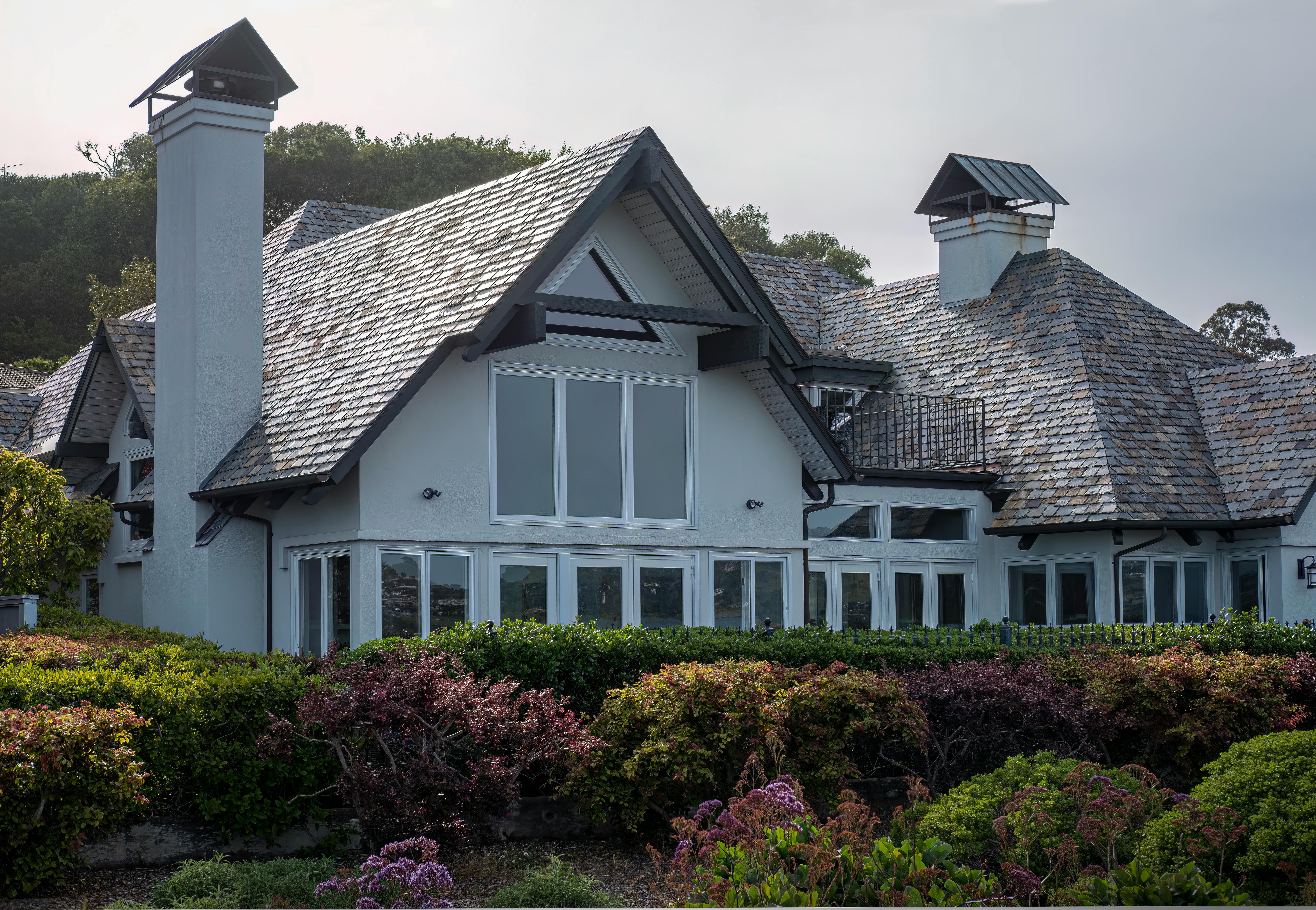
Mountain homes embody a unique blend of rugged nature and refined design, capturing the spirit of the outdoors while offering the comfort and functionality of modern living. The architecture of these homes is not just about aesthetics; it integrates the surrounding environment into the very essence of the building. This connection between nature and architecture is achieved through thoughtful design, sustainable materials, and innovative construction techniques. The following sections explore the key elements that define mountain home architecture and how to effectively incorporate these into a harmonious living space.
Design Principles of Mountain Home Architecture
Mountain home architecture is characterized by its thoughtful integration with the natural landscape. Key design principles include:
- Harmony with Nature: Designs that seamlessly blend with the natural environment, often using materials like stone and wood that are sourced locally.
- Open Spaces: Large windows and open floor plans that maximize natural light and offer breathtaking views of the surroundings.
- Energy Efficiency: Incorporating sustainable technologies and materials to reduce environmental impact.
For those seeking to master these essential design elements, explore advanced guides and tips that detail how to enhance your mountain home architecture.
Materials and Techniques
Choosing the Right Materials
The choice of materials is crucial in mountain home architecture. It not only affects the aesthetic appeal but also the building’s sustainability and durability. Here are some popular choices:
- Wood: Provides a warm, inviting appearance and is often used for interiors and exteriors.
- Stone: Offers robustness and a natural connection to the mountainous terrain.
- Glass: Used extensively to create expansive views and bring in natural light.
To understand the importance of material selection and its impact on the environment, discover expert strategies here.
Innovative Construction Techniques
Advanced construction techniques are employed to ensure that mountain homes are both beautiful and resilient. Innovations in this area include:
- Passive Solar Design: Utilizes the sun’s energy for heating and cooling, reducing reliance on artificial energy sources.
- Geothermal Heating: Harnesses the earth’s natural heat to provide efficient and sustainable energy.
- Rainwater Harvesting: Collects and utilizes rainwater, promoting water conservation.
For further details on these techniques, find out more about this approach to sustainable mountain home design.
Incorporating Modern Amenities
While maintaining a connection to nature, mountain homes also incorporate modern amenities to enhance comfort and functionality. Important considerations include:
- Smart Home Technology: Integrates systems for lighting, security, and climate control for ease of living.
- Outdoor Living Spaces: Expands the living area into the outdoors with patios, decks, and fire pits.
- Custom Interiors: Tailors the interior design to reflect personal style while maintaining functionality.
To balance modern living with natural aesthetics, learn about our tailored solutions that ensure a seamless integration.
Conclusion
Mountain home architecture is a sophisticated blend of natural aesthetics, sustainable practices, and modern conveniences. By embracing key design principles, selecting appropriate materials, and incorporating innovative techniques, these homes offer a unique living experience that captures the essence of the outdoors. To embark on a journey towards creating a mountain retreat that resonates with nature and modernity, explore advanced guides and tips that provide comprehensive insights and strategies.