
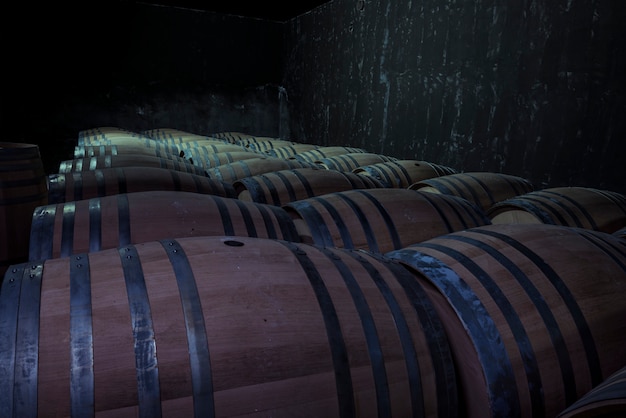
Investing in whisky casks has become an increasingly popular choice among investors looking for alternative assets. The allure of whisky investment is not just its potential for financial return, but also the charm and exclusivity that comes with owning a piece of whisky history. As the global demand for whisky continues to rise, particularly in markets such as Asia, the opportunity for appreciation in value is significant. This guide aims to provide a comprehensive overview of how to invest in whisky casks, the benefits involved, and the key considerations to keep in mind.
Understanding Whisky Cask Investment
Whisky cask investment involves purchasing a cask of whisky from a distillery or a broker, holding it for a period of time as it matures, and then selling it at a profit. This form of investment is influenced by several factors, including the age and rarity of the whisky, as well as market demand.
Why Choose Whisky Casks?
- Potential for High Returns: As whisky ages, its value generally increases. This is due to the limited supply and growing demand globally.
- Hedge Against Inflation: Physical assets like whisky casks are often viewed as a hedge against inflation, as they tend to preserve their value over time.
- Diversification: Adding whisky casks to a portfolio can provide diversification, reducing overall risk.
Steps to Start Investing in Whisky Casks
Starting an investment in whisky casks requires careful planning and consideration. Follow these steps to ensure a smooth investment journey:
1. Research and Due Diligence
Conduct thorough research on the whisky industry, market trends, and specific casks or distilleries of interest. Understanding the whiskey cask investment landscape is crucial for making informed decisions.
2. Choosing the Right Cask
- Distillery Reputation: Focus on casks from reputable distilleries known for producing high-quality whisky.
- Age of the Whisky: Older whiskies are often more valuable, but they also come with a higher price tag.
- Rarity and Uniqueness: Limited edition casks or those from closed distilleries can offer significant returns.
3. Purchase and Storage
Once the right cask is identified, purchase it through a trusted broker or directly from a distillery. Proper storage is essential as it affects the maturation process. Ensure the cask is stored in a bonded warehouse, which is a secure location that allows the whisky to age under optimal conditions.
Assessing the Risks
Like any investment, whisky cask investment comes with its own set of risks. It’s important to be aware of these before committing funds.
Market Volatility
The value of whisky casks can fluctuate based on market demand and economic conditions, which can impact the potential return on investment. It is essential to stay informed about the market to anticipate changes.
Storage and Insurance Costs
- Storage Fees: While whisky matures in a bonded warehouse, storage fees will accrue.
- Insurance: Casks should be insured against potential damage or loss.
Exit Strategies for Whisky Cask Investment
Having a clear exit strategy is crucial for realizing returns on whisky cask investments. Here are some options:
- Sell to a Private Collector: Enthusiasts and collectors often seek unique or aged casks.
- Auction Houses: Selling through an auction can attract competitive bids, especially for rare casks.
- Bottling: Consider bottling the matured whisky and selling it as individual bottles for potential higher returns.
In conclusion, investing in whisky casks can be a rewarding venture for those who take the time to understand the market and carefully select their investments. With the right approach, it offers the potential for attractive returns and the personal satisfaction of owning a piece of whisky heritage. For more detailed guidance, explore resources on how to invest in whisky casks.