
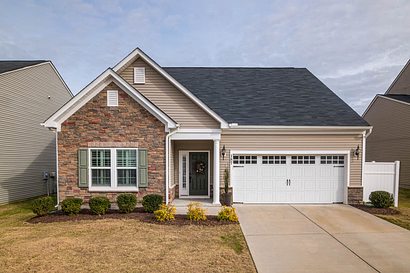
When the seasons change, garage doors often reveal hidden problems that can compromise safety, convenience, and energy efficiency. In Monroe, the fluctuating temperatures and humidity levels put extra stress on the torsion and extension springs that lift and lower the door. Understanding the most common spring issues and knowing how to address them quickly can prevent costly repairs, reduce downtime, and keep the garage door operating smoothly for years to come.
Typical Garage Spring Problems in Monroe
Garage door springs are engineered to handle repeated cycles, but several factors can accelerate wear and lead to failure. The following issues are the most frequently reported by homeowners in the area:
- Spring Breakage: A sudden snap or loud pop often signals a broken torsion or extension spring, leaving the door heavy and difficult to move.
- Loss of Tension: Over time, springs may lose their elasticity, causing the door to open unevenly or stall midway.
- Corrosion and Rust: Exposure to moisture can cause rust on the spring coils, weakening their structural integrity.
- Improper Installation: Incorrect winding or anchoring can create uneven forces, leading to premature wear on both springs and other door components.
- Noise and Vibration: Squeaking, grinding, or excessive shaking often indicates a misaligned or damaged spring.
Diagnosing the Issue Quickly
Before calling a professional for a garage spring repair Monroe, a quick visual and functional check can help identify the problem:
Visual Inspection
- Look for visible gaps or broken coils in both torsion and extension springs.
- Check for rust spots, especially near the mounting brackets.
- Verify that the springs are securely attached to the drums or brackets.
Operational Test
- Manually lift the door halfway; it should stay in place if the springs are balanced.
- Listen for unusual noises during opening and closing cycles.
- Observe the door’s speed, slow movement often points to weakened tension.
Quick Fixes and When to Call an Expert
Some minor issues can be addressed with simple steps, but safety should always be the top priority. Attempting to replace a spring without proper tools or knowledge can lead to serious injury.
Minor Adjustments You Can Make
- Tighten Loose Brackets: Use a wrench to secure any wobbling brackets that may cause misalignment.
- Lubricate Moving Parts: Apply a silicone-based lubricant to hinges, rollers, and the spring coils to reduce friction and noise.
- Remove Rust: Lightly sand rusted areas and apply a rust-inhibiting spray to protect the spring.
When Professional Intervention Is Required
If any of the following conditions are observed, it’s best to schedule a service call for a full garage door spring replacement:
- Visible breakage or missing coils.
- Door feels excessively heavy or refuses to stay open.
- Repeated snapping noises during operation.
- Signs of severe corrosion that compromise spring strength.
Professional technicians have the proper winding equipment, safety restraints, and expertise to replace springs safely and restore the door’s balance.
Benefits of Timely Spring Replacement
Addressing spring issues promptly yields several tangible advantages for Monroe homeowners:
- Enhanced Safety: Properly tensioned springs prevent sudden drops that could cause injury.
- Improved Energy Efficiency: A well-balanced door seals better, reducing drafts and heating costs.
- Extended Door Lifespan: Reducing strain on rollers, cables, and tracks minimizes overall wear.
- Convenient Operation: Smooth, quiet movement adds to everyday convenience.
Choosing the Right Spring Replacement Service
When selecting a provider for a garage door spring replacement service, consider the following criteria to ensure quality workmanship:
- Certification and licensing specific to garage door systems.
- Transparent pricing with detailed estimates before work begins.
- Positive customer reviews that highlight reliability and professionalism.
- Warranty coverage on both parts and labor.
Preventive Maintenance Tips
Regular upkeep can dramatically reduce the likelihood of spring failure. Incorporate these habits into your seasonal home maintenance routine:
- Inspect springs and hardware twice a year, especially after harsh winter weather.
- Lubricate moving components every 3-4 months.
- Test the door’s balance by disconnecting the opener and manually lifting the door.
- Keep the surrounding area clean to avoid debris buildup on tracks and rollers.
Conclusion
Garage spring issues are a common challenge for Monroe residents, but with a clear understanding of the symptoms, quick diagnostic steps, and timely professional assistance, the door can remain safe, efficient, and reliable. By following the outlined preventive measures and recognizing when a full spring replacement is necessary, homeowners can avoid unexpected breakdowns and extend the life of their garage door system.